





Long-distance moving is one of the most expensive types of relocations. Unlike moving within your city, a multi-state relocation can stretch several days and require additional planning. That’s especially true when hiring moving services. In addition to your own lodging and travel costs, there are things like mileage charges and per diems to consider.
If you’re looking for advice on how to save money on moving costs, you’ve come to the right place.
This guide to long-distance moving offers seven comprehensive tips and practical strategies to cut costs and ensure a smooth relocation.
Why Long-Distance Moving is Different
Why do long-distance moving services cost so much more than a local move?
They require more planning, time, and logistics. Long-distance moves are also more expensive because of the distance, fuel, and labor required to make them go smoothly. Understanding the cost of long-distance moving means knowing how mileage and fuel charges work. Unlike shorter moves that bill based on time spent through hourly rates, long-distance movers quote your price by the weight and volume of your belongings.
That means taking the time to declutter and remove unnecessary weight from your home is even more important. Carefully planning your route to ensure the shortest distance possible is another vital aspect.
Costs Involved in Moving Cross Country
How much do long-distance movers cost? Much like the process of planning a cross-country relocation, pricing can be a complicated answer.
The average cost of moving across the country can vary based on several factors. Some are basic moving company fees while others are unique to interstate moves. Understanding these factors can help you allocate your moving budget and uncover opportunities to save money.
Here are five major contributors to long-distance moving costs:
1) Transportation fees. Transportation is often the biggest expense when moving across the country, and for good reason. Fuel costs, distances traveled, and tolls all add up. The further your belongings must travel, the higher these costs. Consolidating or decluttering and efficient route planning are good ways to reduce these expenses.
2) Packing services. Professional packing services are more convenient but cost money. In addition to the cost of packing materials like boxes, tape, and wrapping, you’ll also have to pay for the physical labor of packing. Save money and cut costs by handling some packing yourself.
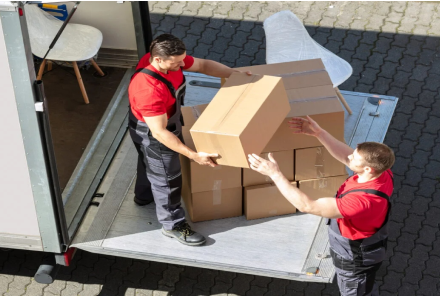
3) Labor costs. Hiring professionals to load and unload your stuff ensures a safer, faster move. But those labor services are charged based on the number of movers and the time required. Save money by helping with lighter tasks or minimizing the amount of stuff to move.
4) Storage fees. If there’s a gap between your move-in and move-out dates, temporary storage might be necessary. Storage fees often depend on the duration and size of the storage unit needed. Plan your timeline to avoid these extra charges.
5) Specialty services. Items like cars, pianos, priceless antiques, and other goods might need special handling. Services like auto transport or custom crating add convenience and cost. Evaluate whether they’re necessary or if you have options, like driving the car yourself or selling the piano before you move.
Top Ways to Save on Long Distance Moving Costs
Saving money when paying for long-distance moving services isn’t as difficult as you might think, especially once you follow practical advice from seasoned professionals. We’ve touched on a couple of tips above, but the following are popular, time-tested methods for cutting the costs of your move.
1. Decluttering Before You Pack
Decluttering is one of the best ways to cut costs when planning your long-distance move because it impacts two factors that influence moving costs. These are the total weight of your move and the overall packing costs.
Sort your belongings and sell, donate, or dispose of those you no longer need. Fewer items also mean lower labor and transit costs, saving you money.
Another benefit of decluttering? Unpacking is much more manageable.
2. Compare Quotes from Multiple Movers
Shopping around for different quotes is crucial for finding the best value for your long-distance move. Moving companies can offer various pricing structures. Comparing quotes ensures you receive the most competitive rates for necessary services.
Ask for detailed cost breakdowns, including transportation, labor, and additional fees. That helps make an “apples-to-apples” comparison. Don’t settle for the first quote. Invest time in researching and negotiating to reduce your costs.
Short on time and need to shop around? Consider tip number six for even more savings.
3. Book Your Move Early
Booking your move early can help you save a lot of money when using residential moving services. Movers tend to offer better pricing and service availability to customers who schedule well in advance, especially during non-peak times. Waiting limits your options and results in higher prices.
When you book early, you can lock in a better rate and avoid the stress of scrambling to find last-minute moving services.
4. Choose the Right Moving Services for Your Needs
Speaking of booking movers, don’t settle for something you don’t need. Low-cost long-distance moving is possible if you approach it smartly. Full-service, DIY, or hybrid approaches can work better for different types of moves. Full-service moves handle everything but cost more, while DIY options offer some flexibility and savings.
Choosing to move DIY or hire professionals aren’t your only options. If you know you need movers to load, transport, and unload your belongings, a hybrid move can help save a significant amount of money. In this situation, you pack everything yourself but hire professionals to handle the heavy lifting.
Not sure where to start? A moving broker can help you customize services and avoid unnecessary add-ons.
5. Pack Smart to Save on Materials
Efficient packing is a practical way to reduce your moving costs. Start using free or low-cost packing materials, such as recycled boxes from local stores. Newspapers and towels can wrap around and protect fragile items just as well as bubble wrap in many cases. Other creative packing hacks, like rolling clothes to save space, can minimize the boxes you need and reduce material and labor costs.
Another way to help movers do their jobs faster is properly labeling and grouping boxes by room for maximum efficiency.
6. Avoid Moving During Peak Times
Timing your move can save you a substantial amount of money, too. Moving during peak seasons like summer or at the start and end of the month can lead to higher rates thanks to increased demand.
Instead, aim for mid-week or mid-month moves when companies charge lower fees. Off-peak season moves, like late fall or winter, can provide even better deals. Scheduling wisely significantly reduces your long-distance moving costs.
7. Consider Working with a Moving Broker
A moving broker can simplify the process of finding affordable long-distance moving solutions. Brokers aren’t movers. They work with a network of moving companies to help you secure competitive rates and tailored services. They’re often useful for negotiating better pricing with smaller companies that can offer more flexibility than large van lines.
While brokers do charge a fee, their expertise can lead to overall savings. That’s especially helpful when managing long-distance logistics.
Moving Long-Distance on a Budget: Final Tips to Save Big
Long-distance moves are a significant expense, but it’s possible to carefully plan the details and make smart choices to achieve a budget-friendly relocation. The best ways to reduce your moving costs include reducing the number of boxes and items you need to move, packing them efficiently, and shopping around for the best rate.
Consider a moving broker like Safe Ship to ensure you get the services you need without overspending. Our connections can help you source several quotes at once and allow you to focus on saving money in other ways, like efficient packing and decluttering.
Our commitment to service helps you find licensed cross-country movers within our carrier network at fair, competitive prices.
Frequently Asked Questions
What is the most cost-effective way to move?
The most cost-effective way to move is to handle as much of the process yourself as possible. That means packing, renting a moving truck, and enlisting help from friends or family for loading and unloading. However, long-distance moves make this difficult, so hybrid options like a portable moving container or hiring movers for everything but packing can be a good fit.
What is a reasonable moving budget?
A reasonable moving budget varies based on the distance and amount of stuff you need to move. Long-distance moves may cost anywhere between $2,000 and $8,000 or more. Plan for packing supplies, labor, and other fees like storage to ensure you budget accurately.
What is the most expensive part of moving?
Transportation costs are usually the most expensive part of moving, especially for long-distance moves. Fuel, mileage, tolls, and vehicle maintenance or rental fees are among the most common charges. Hiring professional moving companies can increase expenses, especially if you need specialized services like auto transport or oversized item handling.