






Imagine you’re about to move to a new home or city, but you have no idea where to start. From finding a moving company to packing your belongings quickly and efficiently, the thought of all that work has put you in a state of analysis paralysis.
That’s okay. You’re not alone.
Luckily, we’ve helped thousands of people move. That’s why we’ve put together this ultimate moving checklist and to-do timeline. It doesn’t matter if your relocation is taking you across town or the country. Follow our step-by-step guide to ensure a smooth, efficient move.
Why a Moving Checklist is Essential for a Smooth Move
One of our favorite moving tips — no matter the distance — is to create a checklist. It streamlines the process and reduces stress. By breaking your move down into manageable steps, you can stay organized and in control.
Moving involves lots of details. Without a system, tracking everything (or not tracking at all) can lead to expensive mistakes. When you structure your move, you can stay on schedule and ensure you don’t forget anything. This guide provides a complete timeline for typical moves, from two months before moving day to essential post-move tasks.
Preparation Steps: Laying the Groundwork for a Stress-Free Move
- Start planning as early as possible to avoid last-minute stress.
- Create a moving timeline with key milestones.
- Declutter your home. Sell, donate, or discard unused items.
- Gather packing supplies such as boxes, tape, and labels in advance.
- Research moving companies or rental trucks to secure the best option.
Start with a Moving Timeline
A moving timeline lays out critical deadlines for each step of your move. You can use a spreadsheet or good old-fashioned paper and pen to track your tasks. Typical inclusions for a checklist include packing (by room), hiring movers, updating your address, and completing other administrative tasks.
Declutter Before Packing to Lighten the Load
One of the best ways to reduce the stress of packing is to cut down on the number of things you need to pack in the first place. Decluttering your home before your move is a simple way to make things easier and lower costs. You can donate, sell, or dispose of items you no longer need. To make decisions faster, create piles or areas for things you want to “keep, donate, or discard.”
Gather Packing Supplies in Advance
Buying or collecting boxes, packing tape, bubble wrap, and markers is often the first big expense of your move. These are the best moving supplies you can get, but they’re not the only options. You can also use suitcases, storage bins, and laundry baskets to cut down on box costs and speed up the packing process.
Two Months Before Moving: The Planning Phase
Two months before your move, things start to kick in gear. You’ll need to plan major logistics for your relocation early. Hire movers, arrange transportation, and start notifying key service providers of your plans.
Research and Book Moving Services
Decide whether you’ll hire movers or do the heavy lifting yourself. Compare quotes from moving companies or truck rental services. That’s especially important for long-distance moves, often priced differently from short-haul relocations.
Notify Utilities, Schools, and Other Services
Schedule disconnections and reconnections for your utilities, including water, electricity, and internet service. Build in a few extra days for moving delays or other hiccups. If moving during the summer, start arranging enrollment at new schools. Update your mailing address at your bank, financial institutions, and subscriptions to avoid late payments.
Create an Inventory of Belongings
Begin to inventory your belongings. Take photos of valuable items for insurance purposes. If you’re packing them early, label fragile or high-priority boxes for easy identification. Once done, mark it off your moving to do list.
One Month Before Moving: Organizing and Packing Essentials
With one month left to go until moving day, packing and logistics are the names of the game. Prioritize efficient packing with a room-by-room strategy to keep your stress levels low and avoid last-minute chaos.
Start Packing Systematically
Pack non-essential items first. Think seasonal clothing, décor, and books. Label each box by room and its contents to simplify unloading. Remember to label at least one side of the box and its top for easy loading and unloading.
Arrange for Mail Forwarding & Address Updates
If you haven’t done so yet, submit your change of address request with the USPS. Update any subscriptions, credit cards, and insurance information to maintain continuity of service.
Confirm Moving Details
Double-check your moving reservation and confirm all details with the movers, including arrival time. If necessary, arrange childcare or pet care for this day. Residential moves are hectic enough without dogs (or kids) getting underfoot!
One Week Before Moving: The Final Countdown
In the week before you move, finalize all details and ensure everything is in place for a smooth transition out of your old home and into the new one.
Prepare an Essentials Box
Your essentials box should contain everything you can’t live without. Think medications, important documents like passports and birth certificates, phone chargers, and toiletries. Include snacks, bottled water, and basic cleaning supplies for last-minute clean-up when rooms have been emptied.
Disassemble Large Furniture and Appliances
Large furniture is hard to move when it’s intact. Remove shelves, table legs, and detachable parts for easier transport. Put all hardware (screws, nuts, bolts, etc.) in a baggie, along with the instructions, and tape it to one of the large sides. Don’t forget to defrost and clean the refrigerator before moving it to your new home.
Confirm Moving Day Logistics
Double-check the details with your movers or truck rental service. If you are moving into (or out of) an apartment, arrange for parking and elevator access. You may receive a costly ticket or a fine if you don’t!
Post-Move Checklist: Settling into Your New Home
The move isn’t done the moment you arrive at your new home-sweet-home. You still need to unpack and organize your new abode. Doing so efficiently will help you settle in even faster.
Unpack Strategically
Unpacking in a new home is just packing in reverse. That means focusing on the essentials first: kitchen, bedroom, and bathroom. Prioritize high-use areas and unpack one room at a time.
Set Up Utilities & Safety Checks
Ensure your water, electricity, and internet service all work properly. Find your smoke detectors, circuit breakers, and emergency exits. Don’t forget about the water shut-off valve, either.
Make Your New Space Feel Like Home
With the essentials out of the way, add personal touches like décor and familiar items to your new home. One of the best ways to experience your new home is to leave it and hit the streets of your neighborhood! Explore your new community and meet neighbors.
Rest Easy with a Moving Plan in Place
A well-planned checklist for moving eliminates stress and keeps you on track. With this strategy, you’ll focus on the crucial steps without overlooking anything. Stick to your timeline and the move will be as smooth and hassle-free as possible.
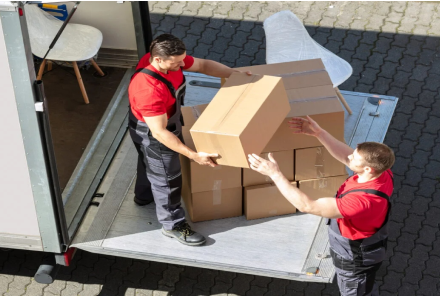
Professional moving assistance can simplify things even further. If you need that extra help, contact Safe Ship Moving for a free quote. We connect you with reliable movers to ensure a seamless transition for your long-distance relocation.
Our commitment to service helps you find licensed cross-country movers within our carrier network at fair, competitive prices.
Frequently Asked Questions
How far in advance should I start preparing for my move?
The ideal timeline varies, but you should start preparing at least eight weeks before moving day. That gives you time to declutter, find movers, and gather supplies. Long-distance or complex moves might need earlier planning to secure the best services and avoid last-minute stress.
What supplies do I need for moving?
The best supplies to stock up on for a move are sturdy boxes in various sizes, packing tape, and bubble wrap. You’ll also want labels and markers to note each box’s location and contents.
What are some key actions I need to take before moving day?
Confirm your moving details with the movers. Pack an essentials box. Notify your utilities and update your address with the bank, post office, and subscription services. Take photos of your valuable items and disassemble furniture to prep for transport.
Is there anything to keep in mind while packing that will make unpacking less stressful?
Label each box with the contents and destination room. Pack room-by-room to stay organized. Color-coded labels can help with that, too. Keep your daily essentials separate from other belongings. Take photos of how your electronics are plugged in for hassle-free reassembly.