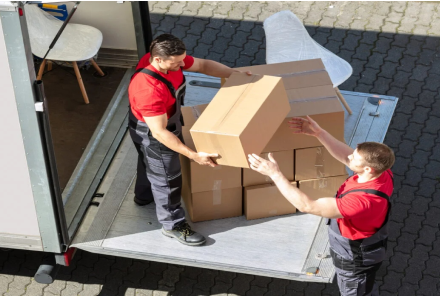





Moving is known to be one of life’s more expensive events—but with the right planning, it doesn’t have to drain your bank account. In fact, it’s entirely possible to move on a budget without sacrificing quality—and we’ll show you how. Whether you’re moving across the street or across the country, it’s possible to stay on budget without cutting corners on service or reliability. The key is understanding where to spend, where to save, and how to make the most of the resources available to you. In this guide, we’ll walk you through how to move smart—saving money without sacrificing quality or peace of mind.
Set a Moving Budget That Works for You
Before you even book a mover or pack your first box, set a realistic moving budget. This helps you plan, prioritize, and avoid last-minute overspending. A well-planned budget should include all potential costs: movers or truck rentals, packing supplies, utility deposits, gas or lodging, and even snacks for moving day.

Using a moving cost calculator can give you a ballpark idea, and keeping track of everything in a spreadsheet or app makes it easier to adjust as you go. Knowing your numbers from the start will help you avoid surprise charges and make better decisions throughout your move.
Know What Kind of Help You Really Need
Not all moves require a full-service crew, and not every DIY move is worth the savings. Think carefully about how much time and energy you’re willing—or able—to invest. You might opt for a hybrid solution, where you pack yourself but let professionals handle the heavy lifting and transport.
Working with a reliable brokers in the USA is one of the smartest ways to move on a budget without sacrificing quality—you get access to vetted professionals without overpaying. Safe Ship Moving helps connect you with affordable, vetted companies that fit your needs. Whether you’re looking for long distance movers, interstate movers, or experienced household movers, choosing the right kind of help can reduce stress and prevent costly mistakes.
Cut Costs Without Cutting Corners on Supplies
Packing materials are one of the easiest areas to overspend. Luckily, there are plenty of ways to save without compromising protection. Start by using what you already have—suitcases, laundry baskets, bins, and drawers all make great containers. Wrap fragile items in towels, blankets, and clothing instead of buying bubble wrap.

You can also find free moving boxes by checking local businesses, recycling centers, or online groups like Facebook Marketplace or Craigslist. If you do need to buy materials, consider splitting the cost with a friend or neighbor who’s also moving. And whatever you pack—label it clearly to save time and stress on the other side.
The Right Timing Can Save You Big
When you move is just as important as how you move. Like many industries, moving has peak seasons—and peak prices. Avoid late spring through summer if you can, as this is when most people move and rates are highest.
If you’re flexible, try to schedule your move mid-week and mid-month. These timeframes typically have lower demand and better pricing. Booking early can also help you lock in a lower rate and give you access to more scheduling options. Movers often offer discounts for off-peak times, so it’s always worth asking.
Less Stuff = Lower Costs
The more you move, the more it costs—especially if your pricing is based on weight or truck space. Decluttering before you pack is one of the simplest ways to reduce expenses.
Sell, donate, or recycle items you don’t need. If you’re short on time, a garage sale or quick Facebook post can help turn your clutter into cash. You might even find that you don’t need to rent as big a truck or hire as much help once you pare things down. Digitizing paperwork and photos also reduces physical bulk and helps you stay organized.
Don’t Miss Out on Discounts
Many moving companies offer discounts—you just have to know where to look or be willing to ask. Some common ones include student discounts, senior rates, and promotions for first-time customers or early bookings. Some companies also offer bundled services or seasonal deals that aren’t heavily advertised.

Even storage providers may run specials, so if you need temporary space, shop around or ask your broker about cost-effective options in your area. Every dollar saved on services or supplies adds up fast.
Region-Specific Moving Tips Can Help You Save
If you’re moving anywhere with unique local challenges—it’s important to factor in region-specific costs and logistics. These often-overlooked details can make a big difference when it comes to planning and saving.
Here are a few states-specific tips worth keeping in mind:
- Plan around hurricane season: From June to November, many coastal states experience severe weather that can cause delays and rescheduling fees.
- Reserve elevators in advance: In large cities, high-rise buildings often require appointments, deposits, or special permissions for move-ins.
- Avoid major holidays and peak travel seasons: Moving during these times—especially in areas with heavy tourism or seasonal residents—can lead to increased demand and higher pricing.
- Budget for toll roads: Many states have toll systems, including major routes like I-95 in the Northeast or I-90 across the Midwest.
- Keep climate-sensitive items in mind: Extreme heat, cold, or humidity can affect electronics, candles, and food items. Be prepared for extra packaging or expedited delivery in regions with harsh climates.
The more you plan ahead for these local factors, the more likely your move will go smoothly—and affordably.
How to Move on a Budget Without Sacrificing Quality
Cutting costs doesn’t mean settling for low-quality service or doing everything on your own. If you’re looking to move on a budget without sacrificing quality, it starts with having the right information and support. At Safe Ship Moving, we’re here to help you make smart, affordable choices for a stress-free experience. Whether you’re relocating across the street or across the country, we’ll help you connect with long distance movers, interstate movers, or household movers who deliver real value. Smart moving doesn’t mean spending more—it means spending wisely, and getting the help you actually need.