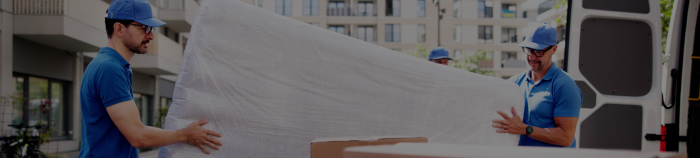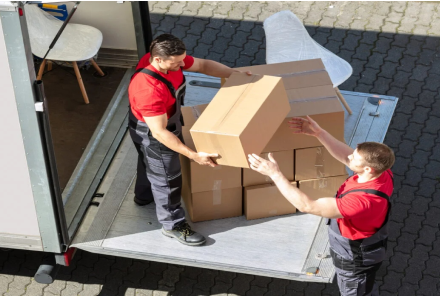





Moving to Colorado isn’t just a change of scenery—it’s a shift in mindset. With over 300 days of sunshine, four distinct seasons, and thousands of acres of natural beauty, the outdoor lifestyle in Colorado draws in people from all walks of life. Whether you’re a seasoned athlete or simply enjoy fresh air and open trails, Colorado offers something for everyone. If you’re planning a move to this active state, it’s important to understand how the culture here revolves around movement, nature, and a deep appreciation for the outdoors.
Why Outdoor Culture Matters in Colorado
The Centennial State consistently ranks among the healthiest in the U.S., and it’s not by accident. Residents prioritize time outdoors, and it shows in everything from local business hours to weekend routines. Hiking, skiing, cycling, and kayaking aren’t just weekend hobbies—they’re daily rituals for many. This deep-rooted connection to nature not only enhances physical health but also supports mental well-being and a strong sense of community.
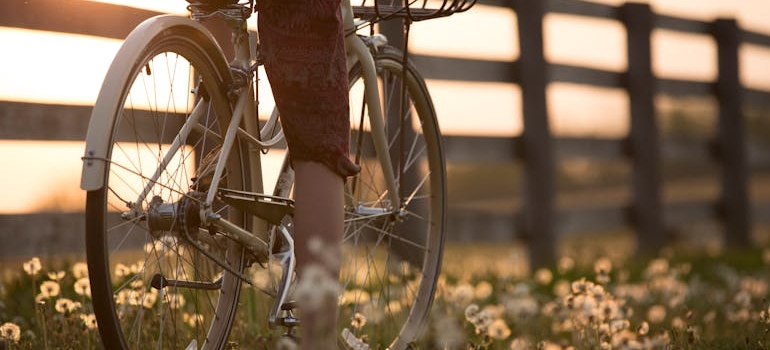
Where the Action Happens: Colorado Regions Built for Adventure
From the bustling front range cities to remote mountain towns, each region has its own flavor of outdoor living. Here are some of the top areas to enjoy an active lifestyle:
- Denver & Boulder: Known for their extensive greenbelts, bike paths, and proximity to Rocky Mountain trails.
- Colorado Springs: Home to Garden of the Gods and countless climbing routes and hiking trails.
- Western Slope: Offers desert-like terrain perfect for biking, rafting, and exploring.
- Mountain Towns (Aspen, Vail, Breckenridge): World-class skiing in the winter, mountain biking and hiking in the summer.
The outdoor lifestyle in Colorado is as much about location as it is about attitude. These places don’t just have trails and parks—they integrate them into the fabric of everyday life.
What to Expect When You Join the Movement
Relocating to Colorado means learning to live a little differently. For one, the elevation can be a surprise. New residents often need time to adjust to thinner air, especially when exercising. Staying hydrated, easing into physical activity, and being mindful of sun exposure are key.
Weather is another factor. You might start your day in sunshine and end it with snow. This variability makes it essential to dress in layers and always carry backup gear.
Safety and preparation are part of the culture here, and that includes understanding access rules. Some trails require permits, and state park passes are a must for frequent hikers.
Joining the Community Through Movement
People in Colorado often build their social lives around shared activities. It’s easy to meet new friends by joining a local hiking club or signing up for a weekend trail run. Community recreation centers are common, and many cities host outdoor yoga, cycling events, and neighborhood cleanups.

Outdoor culture is a connector here. In many towns, it’s not unusual to see business meetings happen on walking trails or families planning reunions around a day of paddleboarding. Activity is a shared language.
Work-Life Balance and the Outdoor Lifestyle in Colorado
Colorado’s culture prioritizes balance. Many companies encourage flexible schedules or remote work to accommodate time in the outdoors. It’s part of why remote workers and digital nomads are increasingly choosing Colorado over larger, denser cities.
Whether you’re headed to Boulder for a tech job or building a home office in a mountain town, the state supports a rhythm of life that keeps burnout at bay. Long distance movers often find that their daily routines quickly adjust to include more fresh air, movement, and moments away from screens.
Planning Your Move to Colorado
If this sounds like the lifestyle you’re ready to embrace, planning your relocation carefully is key. That means working with professionals who understand the state’s geography, weather, and timing. Whether you’re moving from a nearby state or relocating cross-country, you need a team that respects your timeline and lifestyle goals.
We recommend starting with the best USA movers who know how to plan efficiently and help you stay organized. Safe Ship Moving Services works with a network of experienced carriers who specialize in lifestyle-based moves—including those built around outdoor priorities.
Why Work With a Broker?
Using a moving broker allows you to access multiple quotes from licensed and insured carriers that match your needs. You’re not just booking a truck—you’re choosing between vetted options that fit your location, gear, and goals. If you’re coming from far away, explore trusted cross country moving companies who have experience navigating elevation, seasonal shifts, and long-haul logistics.
What You Might Be Moving (Besides Boxes)
Outdoor living means gear—and lots of it. From bikes and skis to camping equipment and paddleboards, many people relocating to Colorado need movers who are comfortable handling non-standard items. Be sure to mention this when getting your estimate so the right accommodations can be made.
Compare Your Options
If you’re debating between states, consider how Colorado compares to others with an outdoor focus. For example, if you’re also looking at the Southeast, know that moving companies in Florida may focus more on coastal living and seasonal transitions than high-altitude gear handling.
Conclusion: Embracing the Outdoor Lifestyle in Colorado
Moving here isn’t just a change of address—it’s a lifestyle decision. From the moment you arrive, you’ll feel how strongly the culture is shaped by the outdoors. Whether it’s biking to work, hiking after dinner, or planning your weekends around the trail report, the outdoor lifestyle in Colorado becomes part of who you are. Let Safe Ship Moving Services help you make that transition simple and stress-free. With the right support, you won’t just move to Colorado—you’ll thrive in it.