




If you’re thinking about stepping away from fast-paced urban life, you’re not alone. Thousands of Americans are asking the same question: is Montana the place to start over, slow down, and reconnect with what matters most? If you’re considering moving to Montana for a simpler life, here’s what to expect—beyond the postcard views and wide-open skies.
The allure of a quieter pace
Montana offers more than just land and scenery—it offers space to think, breathe, and live intentionally. For many, moving here represents a lifestyle reset. You’ll find less traffic, less noise, and fewer distractions. Residents talk about rediscovering hobbies, spending more time outdoors, and connecting with their neighbors in meaningful ways.
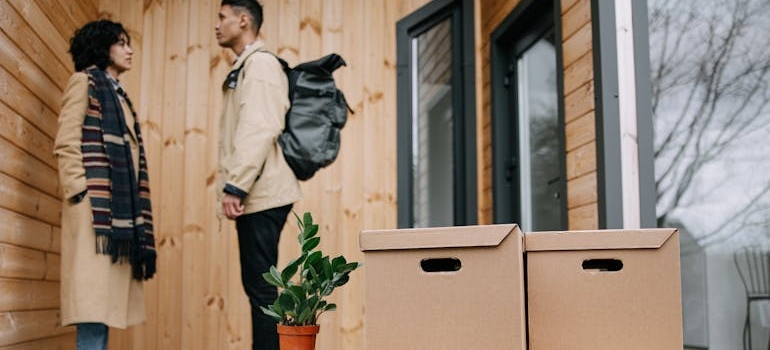
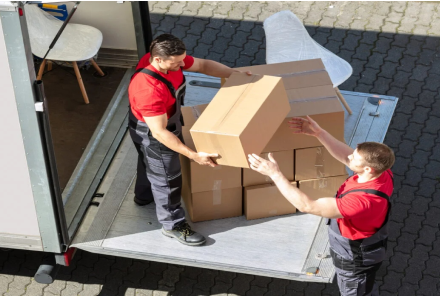
If you’re looking to declutter more than your schedule, working with moving companies with packing services can take the physical stress off your plate as you prepare for a simpler, slower life.
Cost of living: less expensive—or just different?
Montana can be more affordable than metro areas, especially when it comes to property taxes and utility bills. But don’t assume rural equals cheap. In popular towns like Bozeman and Missoula, home prices have risen quickly. In contrast, rural counties still offer great value, with spacious homes or land for half the price of similar properties in urban markets.
It’s also important to budget for things you may not be used to: private trash service, well water maintenance, propane heating, or long trips to the grocery store. These can add up quickly, especially in winter.
Montana cost insights
- Affordable land and modest tax rates in many counties
- Higher food, fuel, and construction costs in remote areas
- Limited inventory and rising prices in growth cities like Bozeman
Silence, space, and the realities of isolation
One of the biggest appeals of moving to Montana for a simpler life is the ability to be alone with your thoughts. But with that peace comes a new kind of challenge: distance from services, neighbors, and sometimes even cell service. Whether you’re 10 miles or 50 miles from the nearest town, rural life demands preparation and self-reliance.
If you’re storing belongings while transitioning to a smaller home or piece of land, commercial storage and facilities services can help protect your items without cluttering your new lifestyle.
What the weather really means
Montana’s seasons are breathtaking—and brutal. Summers are dry and warm, ideal for hiking, gardening, and camping. Winters, though, are another story. Snowstorms, below-zero temperatures, and icy back roads are a fact of life. Heating your home is expensive, and basic errands can become full-day efforts when snow piles up.

If you’re not prepared for long winters and short growing seasons, Montana living may feel more survivalist than serene. Proper clothing, vehicle maintenance, and home insulation are musts.
Housing decisions: town or land?
Choosing between a home in town or raw land in the country is one of the biggest decisions you’ll make when moving to Montana. Buying land gives you freedom—fewer regulations, more privacy, and often a lower price. But it also means setting up utilities, maintaining access roads, and sometimes building from scratch.
Living in town offers more convenience: faster internet, walkable amenities, and easier access to medical care or schools. That said, many people move here precisely to get away from convenience—and toward self-reliance.
Employment, remote work, and the Montana economy
Montana’s job market is still developing in many areas, especially outside Bozeman or Billings. If you’re bringing a remote job with you, great—you’ll have flexibility and income stability. If not, expect to look at jobs in education, healthcare, trades, or small businesses.
Most residents who succeed here build hybrid lives: a part-time remote role, seasonal farm work, or creative side hustles. That’s part of the appeal—it’s not about climbing a corporate ladder. It’s about building a sustainable, values-aligned life.
Local culture and connection
Montana’s small towns are often warm and welcoming—but they’re also tight-knit and cautious of newcomers. Earning trust takes time, and many new residents underestimate how important local involvement is.
To settle in smoothly, consider:
- Attending town meetings or local events
- Supporting local businesses and farms
- Volunteering or joining skill-share groups
- Learning local customs and respecting traditions
People notice when you’re committed to being part of the community, not just using it for scenery.

Preparing for the move
Planning your relocation should begin months in advance. Spring and early fall are the best seasons to move—roads are clear, temperatures are mild, and movers are more available. Before moving, it’s smart to visit the towns you’re considering, talk to locals, and test out internet reliability, commute distances, and service availability.
Downsizing your belongings? Selling your city condo? No matter your move, moving companies Montana understand the geography, weather, and housing landscape—and can help you plan your timing and route with accuracy.
Pre-move checklist
- Research towns based on services, internet, and school options
- Plan your route and delivery timeline based on season
- Secure utility hookups for water, electricity, and propane
- Create a winter prep list (generator, snow gear, heating oil)
- Downsize strategically—Montana life means fewer “things”
What simple living actually looks like
For some, simple living means early mornings, chores on the land, and long evenings watching the sunset. For others, it’s grocery shopping only once a week, heating with wood, or running a home-based craft business. One thing’s for sure: it’s not about perfection. It’s about intention.
What you gain when moving to Montana for a simpler life
- A slower rhythm that prioritizes real human connection
- Direct access to nature, clean air, and open skies
- An opportunity to build your lifestyle on your terms
Things you’ll need to let go of
- Convenience and instant gratification
- Dependence on external services or fast deliveries
- A constant flow of entertainment, events, and dining options
What awaits beyond the move
Choosing Montana means choosing resilience. It’s a state that rewards preparation, self-sufficiency, and respect for the land. You may find yourself chopping wood before sunrise or snowshoeing to your mailbox—but you’ll also discover freedom, stillness, and a kind of clarity that’s rare elsewhere.
Whether you’re relocating from a city or from another rural area, national moving companies can help guide you through the complexities of a long-distance move and set you up for success in your new, slower life.
Montana won’t hand you an easy life—but if you’re ready to work for a meaningful one, it might be exactly the fresh start you’ve been searching for. Moving to Montana for a simpler life isn’t about escaping responsibility; it’s about redefining it. Simplicity here isn’t handed to you. It’s something you choose every day—and build from the ground up.