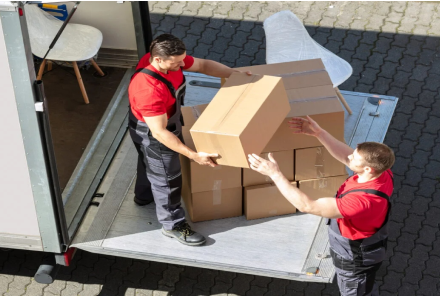





The short answer is: Yes. You need moving insurance. Moving insurance helps protect your belongings from loss or damage during transit. This can save you a lot of money in the long run if you need to replace or repair items. However, moving insurance is a complex topic. Not all offerings are created equal. And not buying enough insurance could lead to significant costs. Let’s explore how moving insurance can impact the cost of your moving services, whether you book your move directly or through a broker like Safe Ship.
Key Takeaways
- Moving insurance protects your belongings during your move.
- You can use mover-provided valuation, third-party insurance, or a combination.
- Moving insurance costs can vary based on the value of your belongings. The cost is usually 1% to 5% for the best coverage up to a certain weight.
- You can and often should buy moving insurance, even if you’re doing a DIY move.
- Moving brokers can help facilitate finding insurance coverage that meets your exact needs without over-insuring your goods.
What is Moving Insurance?
Moving insurance is a protection plan that covers your stuff against damage or loss when using residential moving services.
Most moving insurance falls under three umbrellas:
- Valuation coverage: Protects your items based on their weight, not actual value, offering only minimal reimbursement.
- Full-value protection: Covers the repair, replacement, or cash value of lost or damaged items, maximizing peace of mind.
- Released value coverage: Free but offers very limited protection; only about 60 cents per pound per item.

In short, moving insurance covers accidental damage, theft, or loss during transit. It usually takes one of two forms:
- Valuation coverage offered by the moving company itself
- Third-party insurance from a separate insurer
Valuation coverage from moving companies includes options like released value protection, which offers minimal compensation based on item weight, and full-value protection, which often covers repairing or replacing items at or near their current market value.
Third-party insurance companies can be more robust and are often based on the declared value of your belongings. Arrange moving insurance before your move to ensure coverage throughout the entire process.
Why Moving Insurance Matters
Moving insurance matters because it protects your belongings from damage or loss during transit, which can save you from costly replacements. With different moving insurance options like full value protection and released value protection, you can choose the level of coverage that fits your needs and budget. Insurance is especially important when handling complex move like a business relocation, and it’s always advisable to get familiar with the guide to corporate relocation. Considering the potential risks, moving insurance cost is often a small price to pay for peace of mind.
How Much Does Moving Insurance Cost?
How much you pay for moving insurance depends on a few critical factors. The type of coverage you choose and the value of your items are the biggest factors. The deductible — the amount you must pay before the coverage kicks in — also matters.
For example, most moving companies offer released value protection for free. Full-value protection from the moving company can cost 1% of the total estimated value of your belongings, but it provides total protection. Some third-party policies cost between 1% and 5% of your items’ estimated value. Third-party insurance may cover belongings that other policies won’t.

Several factors affect moving insurance cost. Longer distances usually mean higher risk—and higher premiums. The size of your shipment also matters; more items mean more coverage needed. The declared value of your belongings plays a big role, especially with full value protection. Choosing between different moving insurance options will also impact the final cost. To get a complete picture of your expenses, for example if you’re crossing a big distance while moving, make sure you’re also informed about the cost of long distance moving.
Ask your moving broker or company before your move if there are any special requirements for coverage for selected items, like antiques or other expensive goods.
What is Valuation?
Valuation isn’t insurance for moving. Instead, it’s the liability coverage option provided by moving companies to compensate for lost or damaged items during a move. Unlike insurance, which involves a contract with a third-party company covering risk, valuation determines your movers’ financial responsibility based on the shipment’s declared value.
Types of Insurance if You Hire Movers
If you’re moving yourself, your homeowners’ or renters’ insurance policies may offer limited coverage for items in transit, but you should verify those details with your insurer.
If you’re hiring movers through Safe Ship Moving Services, you likely have two primary types of coverage available: released value protection and full-value protection.
Full-Value Protection (FVP)
Full-value protection provides comprehensive coverage and holds the mover liable for the replacement value of lost or damaged items. With full-value protection, your coverage is calculated on the weight of your entire shipment. That means you’re not just limited to the weight of a single item.
Assume your coverage is $6 per pound. If your overall shipment is 10,000 lbs., you have up to $60,000 in total coverage. The items are repaired or replaced at the total value of the item, up to your shipment total. In the case of damage to your $500, 50lb TV, you’d be eligible for the full value.
Release Value Protection (RVP)
Compare that with release value protection, which calculates your coverage on the weight of each item. Coverage is calculated at a rate of $0.60 per pound per article. The same TV that weighs 50 lbs. would only be eligible for $30 in protection if something happens to it, no matter how much it’s worth.
Example:
Let’s say your flat-screen TV, worth $1,000, gets damaged during the move.
- Released Value Protection (Partial Protection): You’d receive about $60, based on 60 cents per pound.
- Full-Value Protection (Full Protection): The mover would repair, replace, or reimburse the full $1,000 value.
This example shows why comparing moving insurance options is essential to avoid major out-of-pocket costs.
Third-Party Insurance
In addition to mover-provided coverage, you can sometimes purchase movers liability insurance from third parties. This option offers more comprehensive protection for your belongings during transit. To buy this coverage, contact your moving company or seek it out directly.
Third-party insurance coverage often covers risks not included in the standard mover-provided valuation, like natural disasters or mechanical damage. The cost usually ranges from 1% to 5% of your declared shipment value, depending on deductible and coverage level. It’s a wise investment for those who want peace of mind, especially with high-value or fragile items.
When Insurance Is Worth It
Investing in moving insurance is especially important when you’re transporting valuable or fragile items. While some people rely on basic coverage for short or local moves, the risks increase significantly with distance, item value, and complexity. That’s when moving insurance options like full value protection or third-party policies become worth the cost.
Here are a few scenarios where moving insurance is definitely worth it:
- Long-distance or cross-country moves – Higher chance of damage or loss during extended transit.
- Shipping antiques or fine art – Priceless or delicate items need specialized protection.
- Moving high-value electronics – TVs, computers, and sound systems can be expensive to repair or replace.
- Car shipping – Vehicles are major investments that require proper coverage in transit.
If your move fits one of these situations, it’s smart to consider more than just the basic coverage to avoid costly losses.
Moving Insurance for DIY Moves
Even in a DIY move, it’s important to secure moving insurance to protect your stuff. Standard homeowner’s or renters’ policies may not cover items damaged or lost during transit. If you’re moving everything on your own, consider the following types of coverage.
Relocation or Trip Transit Moving Insurance
Trip transit insurance is a third-party policy that safeguards your belongings during a move. It also covers items in storage. Unlike standard renter’s or homeowners’ policies, trip transit coverage specifically protects your possessions during the moving process. It’s great for high-value items, furniture, or mechanical objects. It protects against natural disasters, mold, mildew, and more.
Renters or Homeowners Moving Insurance
Renters and homeowners insurance often cover your possessions, but they may not cover your move. That’s especially true for expensive or long-distance relocations. Before you pack up and head out on your next adventure, ask your insurance agent about the limitations of your policy.
Rental Truck Insurance
If you’re renting a truck as part of your DIY move, it’s worth purchasing rental truck coverage. Most personal auto policies exclude coverage for rental vehicles. That means if you’re involved in an accident, your car insurance probably won’t cover it.
Rental truck insurance can even cover your belongings in the event of an accident, but usually only if you provide a detailed inventory of the truck’s contents. List your items and upload photos to ensure they benefit from the protection this coverage offers.
How to Decide What Type of Moving Insurance is Right for You
Do you need moving insurance? Yes, probably. But the type of coverage you need really depends on your risk tolerance, the value of your belongings, and whether you’re outsourcing to pros or doing it on your own.
No matter which way you plan on moving, knowing the right type of insurance can save you costly headaches in case of damages. It will also help avoid over-insuring your belongings.
Because of their complexity, long-distance moving services benefit greatly from additional insurance coverage. A lot can happen out on the open road. It’s better to be protected.
What Moving Brokers Actually Do
Moving brokers play a key role in helping you navigate the moving process. They don’t move your belongings themselves; instead, they match you with licensed, insured moving carriers that can handle your specific needs. Brokers can also help explain your moving insurance options, including what’s covered and what’s not. However, it’s important to know that brokers do not provide insurance themselves as they simply connect you with professionals who do.
When to Seek Professional Help
Do you need help figuring out when and what kind of insurance for moving makes sense? Look no further than professional help with a moving broker.
Moving brokers have brokered thousands of moves. They can help ensure your partner movers have the proper coverage for you and all your belongings.
Not sure which coverage is best for your move? Contact Safe Ship Moving Services to discuss your options. We can help you understand the moving insurance that fits your needs and budget.
Frequently Asked Questions
Do movers have to provide insurance?
Yes, movers must offer at least released value protection at no extra cost. It provides minimal coverage based on weight.
Is moving insurance required by law?
No, the law doesn’t require you to buy moving insurance. However, it’s strongly recommended for long-distance or high-value moves.
Does homeowners insurance cover moves?
Sometimes. But most policies offer limited or no protection once items leave your home. So, check with your insurer first.
Do I need insurance for short moves?
Not always. For local moves, some people rely on basic coverage. But consider your risk tolerance and the moving insurance cost.
What happens if I pack my own boxes?
If you pack them yourself, movers may deny liability for damage. That’s why proper moving insurance options matter more in this case.