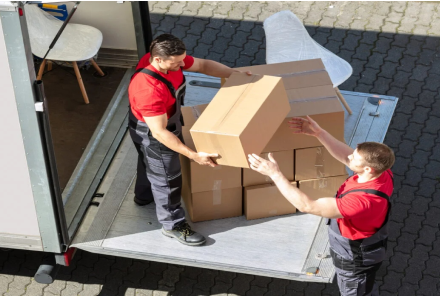





Relocating across the country demands planning and precision. Safe Ship Moving Services helps you avoid common packing errors and ensure efficient transport with expert support. Poor preparation increases costs and stress when choosing long distance moving services or working with cross country moving companies. This guide reviews six packing mistakes that raise your total bill during a move and offers practical solutions for smoother transitions.
Mistake 1: Starting Too Late
Waiting until the last minute to pack creates chaos and extra charges. Industry sources list “packing at the last moment” as a costly error because rushed work increases weight, damage risk, and labor time.

Procrastination prevents decluttering, reduces time to sort and pack items carefully, and limits scheduling flexibility with packing services. If a mover must delay loading due to incomplete prep, the hourly rate ticks up and adds to your bill. To avoid this, set a strict timeline and begin packing early, so crews arrive ready and no rush work raises costs. Early action helps keep your budget in control and ensures your home is ready when moving day arrives.
Mistake 2: Including Items You Don’t Need
Moving objects you plan to discard or replace later builds unnecessary weight and raises your rate. Experts warn that shifting full inventories without purging unwanted items is one of the worst errors.
Big shipments drive up costs through increased weight, bigger trucks, and extra labor—especially with long distance moving services priced by weight or distance. Removing old furniture, unused gear, or duplicates lightens your load and reduces total expense before hiring relocation help. A clear declutter cut also simplifies unpacking, and you won’t move items straight into storage services simply because you overpacked or misplanned. This step reduces cost, improves efficiency, and keeps the move focused on items you value and use.
Mistake 3: Using Weak Packing Materials
Inadequate boxes, thin tape, and reused cartons might seem budget-friendly, but they often increase damage risk and require repackaging or extra labor. Moving companies highlight “using inadequate packing materials” as a major error.
Damaged items mean claims, replacement costs, or time-consuming unloading and inspection with cross-country moving companies. Strong, uniform boxes stack better, travel safely, and reduce mid-route failures that can stop the truck or require reloading. Investing in quality materials upfront lowers risk, reduces claims, and keeps your moving costs stable with fewer surprises. Your budget benefits from durability and protection rather than dealing with delays, damage, or inefficiency.
Mistake 4: Mislabeling or Not Labeling Boxes
Without clear labels, movers spend extra time sorting boxes and risk placing items in the wrong room or location. Label mistakes slow down delivery and can add charges for handling errors.

Clear labeling improves efficiency, lowers loading/unloading time, and supports accurate placement with packing services or standard moves. Also, proper labels help you avoid paying for storage services longer due to misplaced or unpacked inventory. Adopt a system, such as labeling contents, destination room, and marking fragile items. Use color codes or symbols for quick recognition. This clarity saves money, reduces stress, and ensures your move stays on track from pickup to delivery.
Mistake 5: Overpacking Boxes with Heavy Items
Filling large boxes with heavy goods or stacking mismatched contents creates safety hazards and damages items. Experts advise limiting box weight and matching contents to box size and strength.
Boxes that collapse or items that shift increase labor time and damage risk with any cross country moving companies. Keep box weight under recommended limits, use smaller cases for heavy items, and balance content to avoid internal movement. That strategy reduces the risk of damage claims and avoids unexpected delays or added labor charges when crews handle unstable loads. Proper weight management keeps the truck safe and your costs predictable during the move.
Mistake 6: Failure to Communicate
When access issues or undeclared items appear, movers often face delays, call-offs, or need to reschedule trucks—driving up cost quickly. Reports show that undisclosed item weight or insufficient information causes disputes and extra charges.
Preparing a full inventory, noting stairs, elevators, long carries, and large items, helps long distance moving services give accurate quotes and plan accordingly. Also, share information about storage services if you’ll need interim placement, so carriers and crews can plan for pickups or staged storage efficiently.
- Starting packing too late
- Moving items you plan to discard
- Using weak or mismatched packing materials
- Failing to label boxes clearly
- Overpacking heavy items into large boxes
- Not providing full inventory or access details
Good communication prevents added time, surprises, and price increases after loading begins. Clear details, firm inventory, and real access specs lead to smoother moves and stable pricing from start to finish.
How Professional Services Can Help Prevent These Mistakes
Working with packing services, cross country moving companies, and storage services ensures expert support across every phase. Professionals bring high-quality materials, trained crews, planning checklists, and scheduling that aligns with long-distance moves.

Start with an accurate inventory, issue fair quotes, and manage timelines so you avoid costly mistakes. These services reduce the need for call-backs, extra labor, or mid-move corrections. They deliver clarity, handle logistics, and maintain budgets from pickup to final delivery across states. You gain peace of mind, fewer stress points, and less risk of surprise fees or damaged goods.
Avoid Packing Mistakes That Make Long-Distance Moves More Expensive
Understanding how poor packing choices raise costs helps every mover succeed. Whether working alone or hiring long-distance moving services, avoiding the six packing errors above supports smoother transitions and better budgets. Partnering with experienced providers such as Safe Ship Moving Services offers professional support across moving, packing, and storage to reduce risk and increase value. Starting early, decluttering, using strong materials, labeling clearly, balancing box weights, and sharing full inventory and access details help your move stay predictable and affordable. Focus on smart planning and avoid the trap of packing mistakes that make long-distance moves more expensive during your relocation journey.